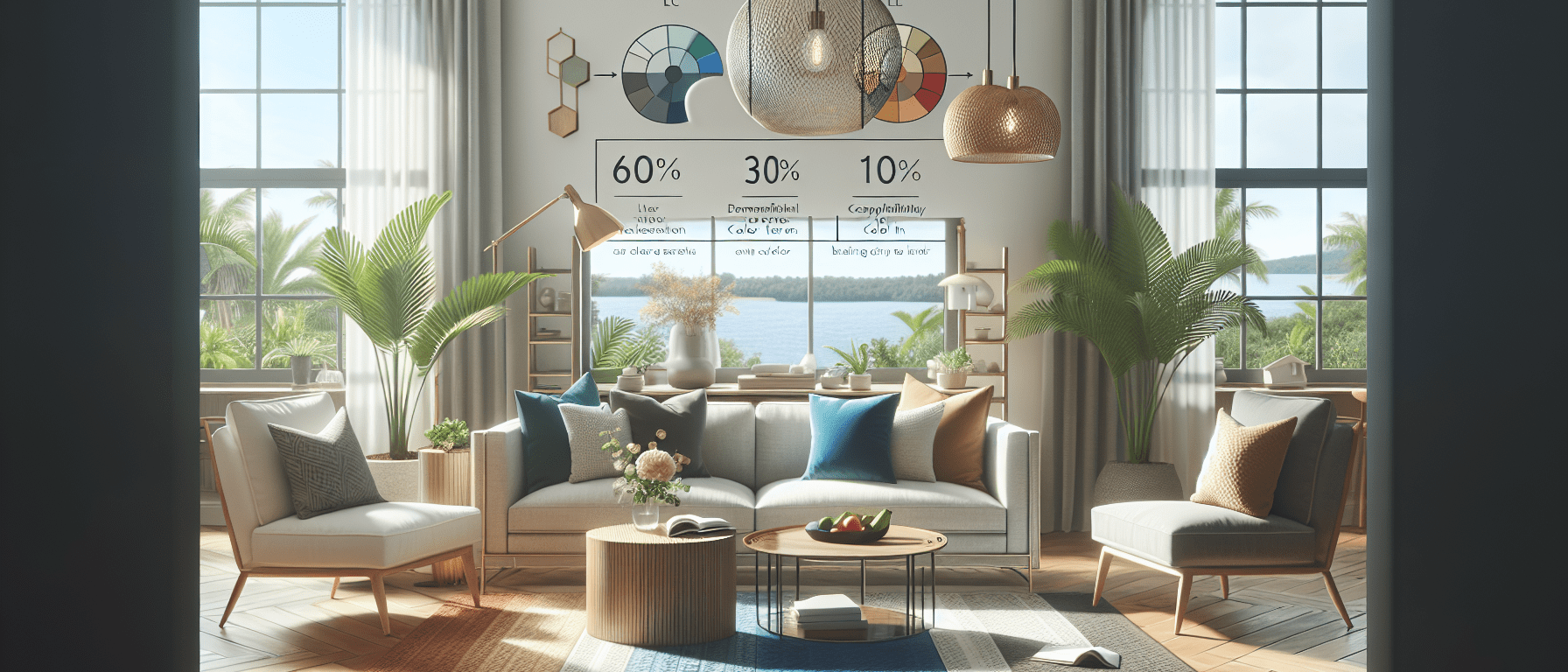
Are you feeling overwhelmed by the thought of choosing colors for your home? Don’t worry, you’re not alone. Many people find it challenging to create a harmonious color scheme for their interior design. But fear not, because I’m here to help you master the art of balancing colors in your home.
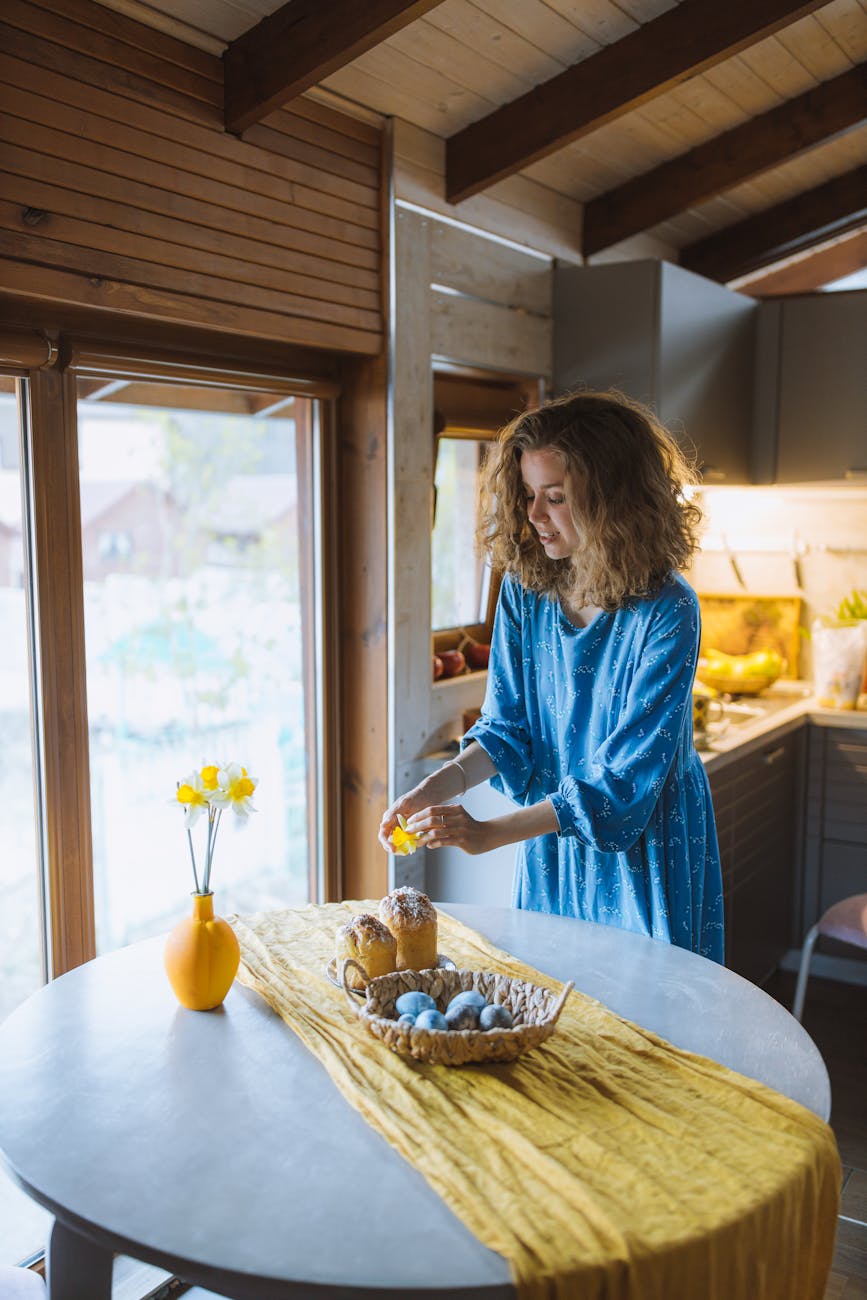
Color is a powerful tool in interior design. It has the ability to evoke emotions, create a sense of harmony, and set the mood for a space. When used effectively, color can transform a room and make it feel inviting and comfortable. However, when it’s not balanced properly, it can create a chaotic and overwhelming atmosphere.
So, how do you go about creating harmony with color in your home? Here are some tips to help you get started:

- Start with a Color Scheme
Before you start painting or buying furniture, it’s important to establish a color scheme for your home. A color scheme will serve as a guide and help you make decisions about which colors to use in each room. There are many different color schemes to choose from, such as monochromatic, analogous, complementary, and triadic. Each scheme has its own unique characteristics and can create a different mood in a space. - Consider the Mood
Think about the mood you want to create in each room of your home. Do you want a calm and serene atmosphere in your bedroom? Or do you want a lively and energetic feel in your living room? The mood you want to achieve will help guide your color choices. For example, cool colors like blues and greens can create a sense of tranquility, while warm colors like reds and yellows can add energy to a space. - Use the 60-30-10 Rule
A simple way to create balance with color is to use the 60-30-10 rule. This rule suggests that you should use one color for 60% of the room (usually a neutral or dominant color), a second color for 30% of the room (a complementary or contrasting color), and a third color for 10% of the room (an accent color). This will help you create a balanced and cohesive look in your space. - Pay Attention to Proportions
When using multiple colors in a room, it’s important to pay attention to proportions. You don’t want one color to overpower the others. Instead, aim for a harmonious balance of colors throughout the space. Consider the size of the room and the amount of natural light it receives when deciding how much of each color to use. - Test Your Colors
Before committing to a color scheme, it’s a good idea to test your colors in the actual space. Paint swatches on the walls and live with them for a few days to see how they look in different lighting conditions. This will help you make sure that the colors you’ve chosen work well together and create the desired effect. - Don’t Forget About Texture
In addition to color, texture also plays a key role in creating harmony in a space. Mixing different textures can add depth and visual interest to a room. Consider incorporating a variety of textures such as smooth, rough, shiny, and matte to create a balanced and inviting environment. - Be Open to Change
Finally, don’t be afraid to experiment with different colors and be open to making changes if something doesn’t feel quite right. Creating harmony with color is a process, and it may take some trial and error to find the perfect balance for your home.
In conclusion, creating harmony with color in interior design is all about balance and careful consideration. By following these tips and being mindful of the impact that color can have on a space, you can create a home that feels cohesive, inviting, and visually appealing. So go ahead, embrace the power of color and transform your home into a harmonious haven!
 Home and Garden