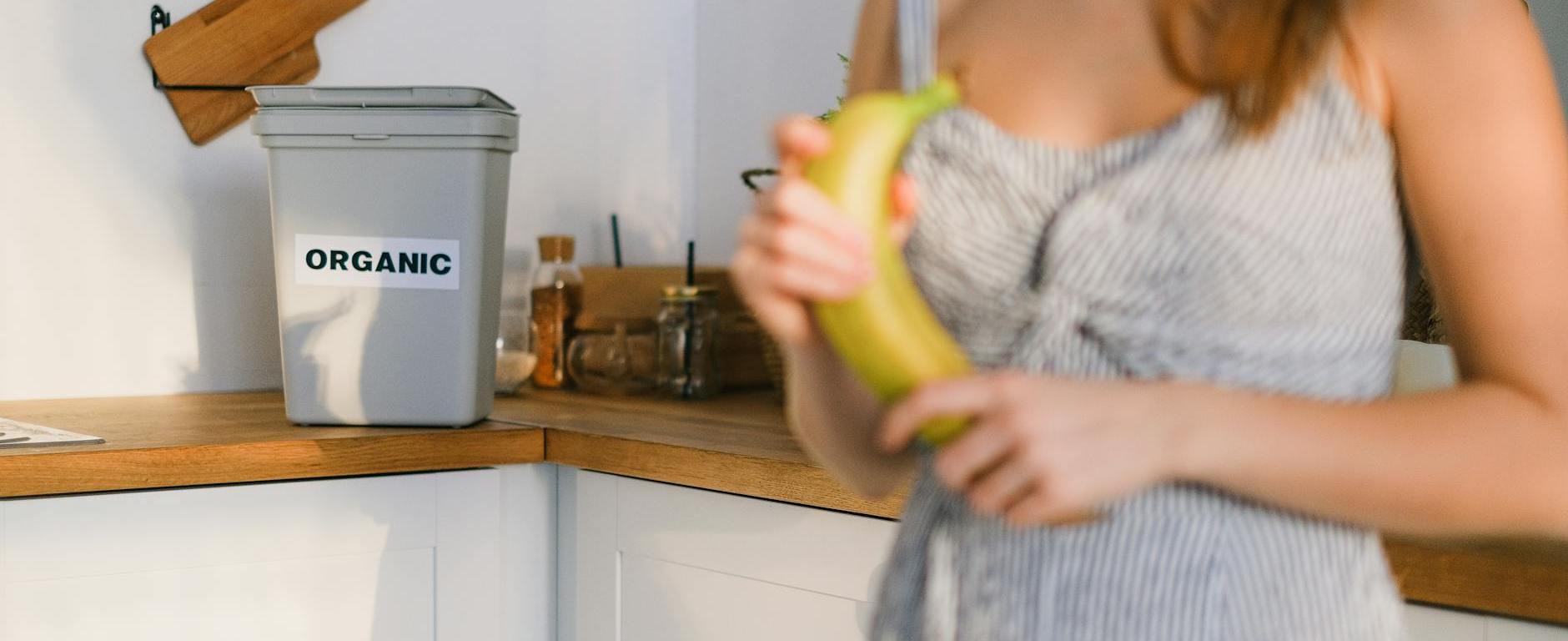
Composting is a wonderful and straightforward method to minimize waste and cultivate nutrient-rich soil for your garden. Through composting at home, you can significantly decrease the volume of food and organic waste that gets sent to landfills, all while generating a valuable resource for your plants.

The advantages of home composting are plentiful. First and foremost, it aids in reducing the quantity of waste routed to landfills. Food scraps and yard waste constitute a substantial portion of landfill-bound waste, and by composting these materials, you can divert them from the waste stream and repurpose them effectively.
Moreover, composting contributes to the reduction of greenhouse gas emissions. When organic matter decomposes in a landfill, it emits methane, a potent greenhouse gas. By composting at home, you can help diminish methane production and decrease your carbon footprint.
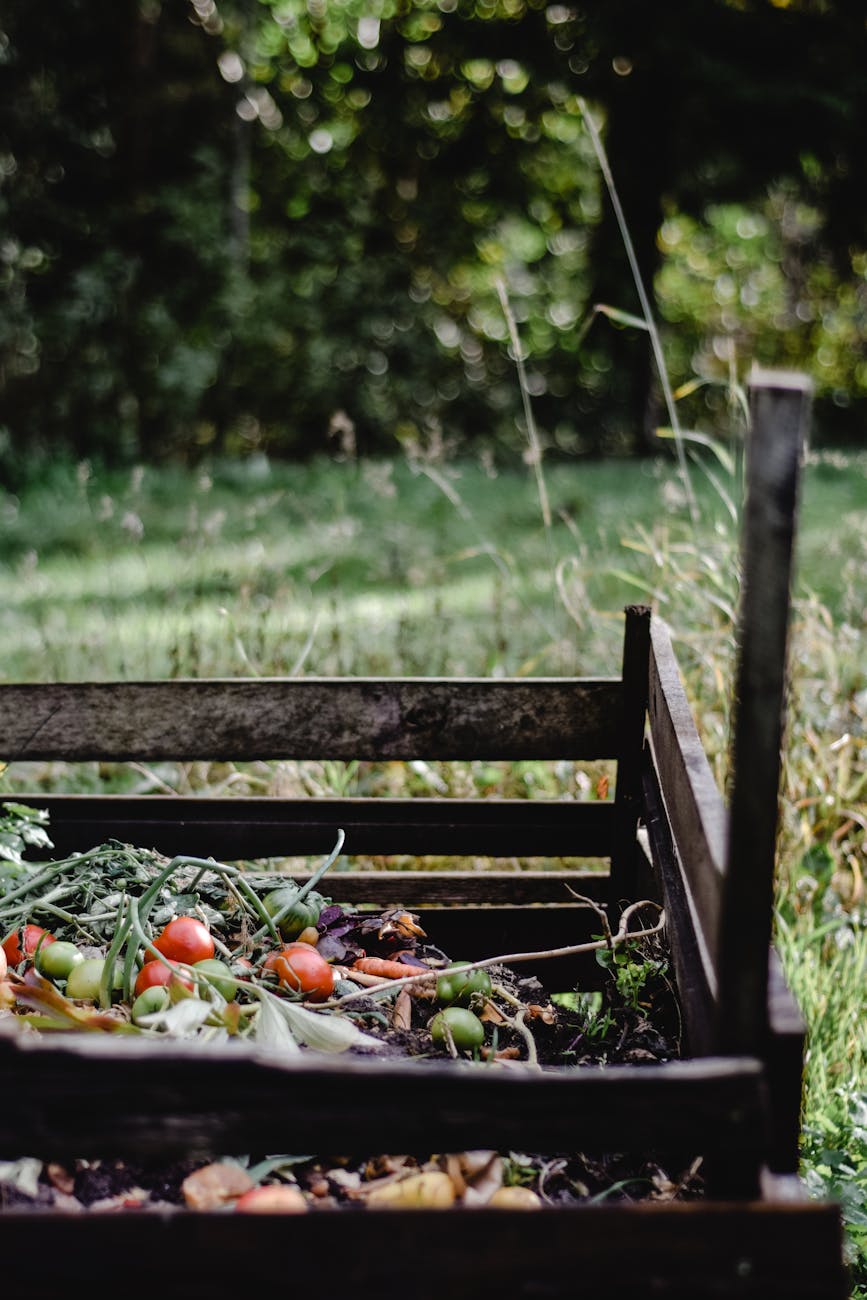
Beyond its environmental benefits, composting yields a valuable soil amendment. The nutrient-rich compost you produce can enhance the health and fertility of your garden soil, leading to stronger plants, increased yields, and decreased reliance on chemical fertilizers.
Getting started with home composting is simpler than you might imagine. All you need is a small outdoor space, like a backyard or balcony, and a compost bin. By adding food scraps, yard waste, and other organic materials to the bin, and with the right mix of materials and regular turning, you’ll have rich compost ready to use in just a few months.
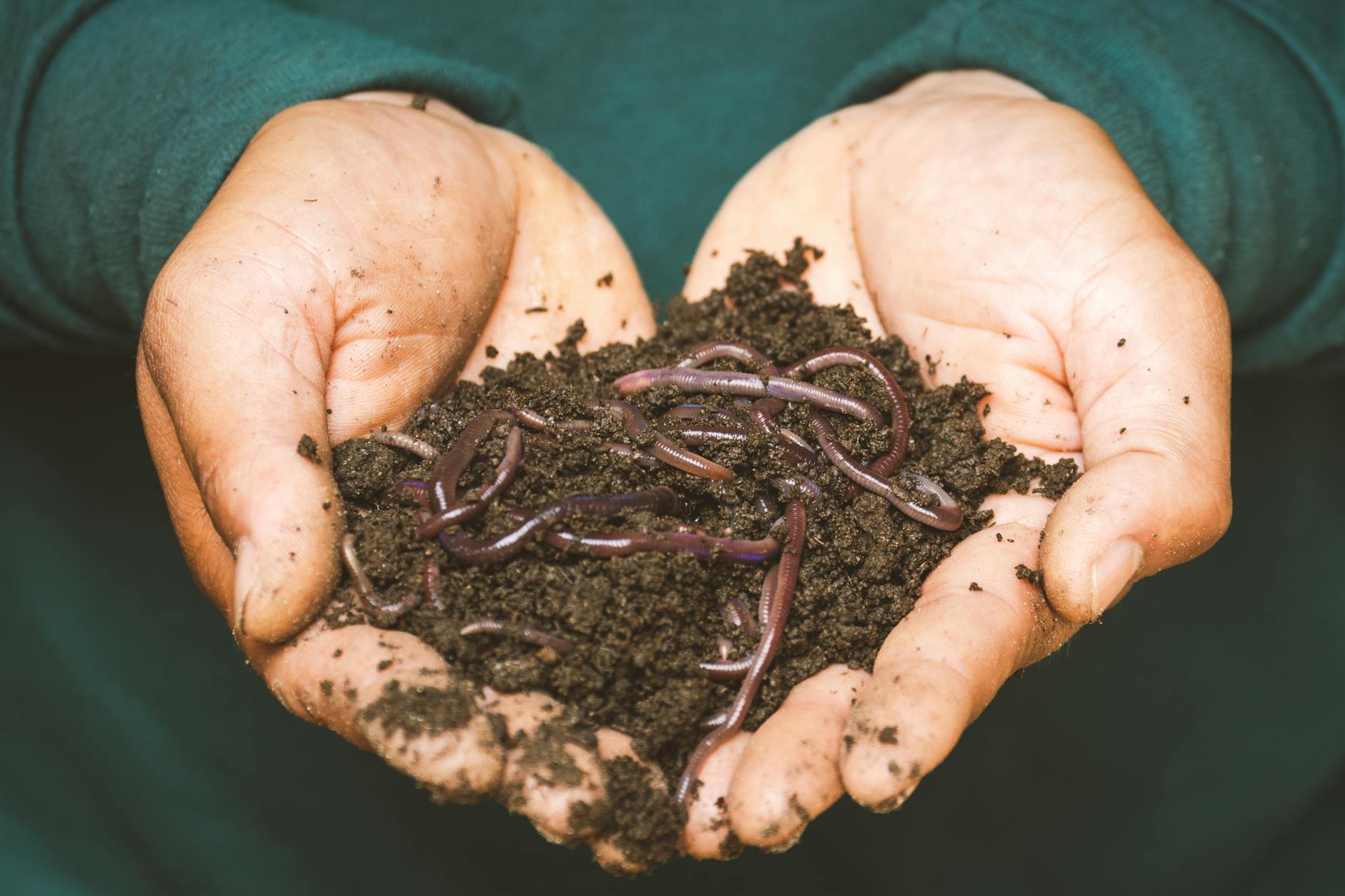
In summary, home composting is an uncomplicated and effective approach to waste reduction, lessening your environmental impact, and creating a valuable soil amendment for your garden. By taking this small step, you can make a substantial difference for the planet and enjoy the benefits of healthier soil and plants in your own backyard.
 Home and Garden