
Feeding Orchids :
Orchids are renowned for their stunning flowers and unique care requirements, including feeding. When feeding orchids, it’s essential to use a specialized orchid fertilizer designed specifically for these plants. Orchid fertilizers typically have a higher ratio of nitrogen to encourage leaf growth and a lower ratio of phosphorus to promote flowering. Follow the manufacturer’s instructions for dilution and application, and feed orchids during their active growth periods, typically spring and summer.

Feeding Succulents and Cacti :
Succulents and cacti have distinct feeding needs due to their low-water requirements and slow growth rates. Use a specialized fertilizer formulated for succulents and cacti, or dilute a general-purpose fertilizer to half strength. Feed these plants sparingly, typically once every two to three months during their active growing season in spring and summer. Avoid overfeeding, as succulents and cacti are sensitive to excess nutrients and may develop root rot.
Feeding Leafy Greens and Herbs :
Leafy greens and herbs grown indoors for culinary purposes benefit from regular feeding to support robust foliage growth and flavor development. Use a balanced liquid fertilizer or organic liquid fertilizer and dilute it to half strength. Feed leafy greens and herbs every two to four weeks during their active growing season, ensuring that the nutrients are evenly distributed to all parts of the plant. Avoid overfertilizing, as it can result in bitter-tasting leaves or reduced flavor intensity.
Feeding Flowering Houseplants :
Flowering houseplants, such as African violets, begonias, and geraniums, require additional nutrients to support blooming and vibrant flower production. Use a fertilizer specifically formulated for flowering plants, with a higher phosphorus content to encourage flower formation. Feed flowering houseplants every two to four weeks during their active growing season, from spring to early fall, to promote continuous flowering. Reduce feeding frequency during the winter months when plants are dormant.
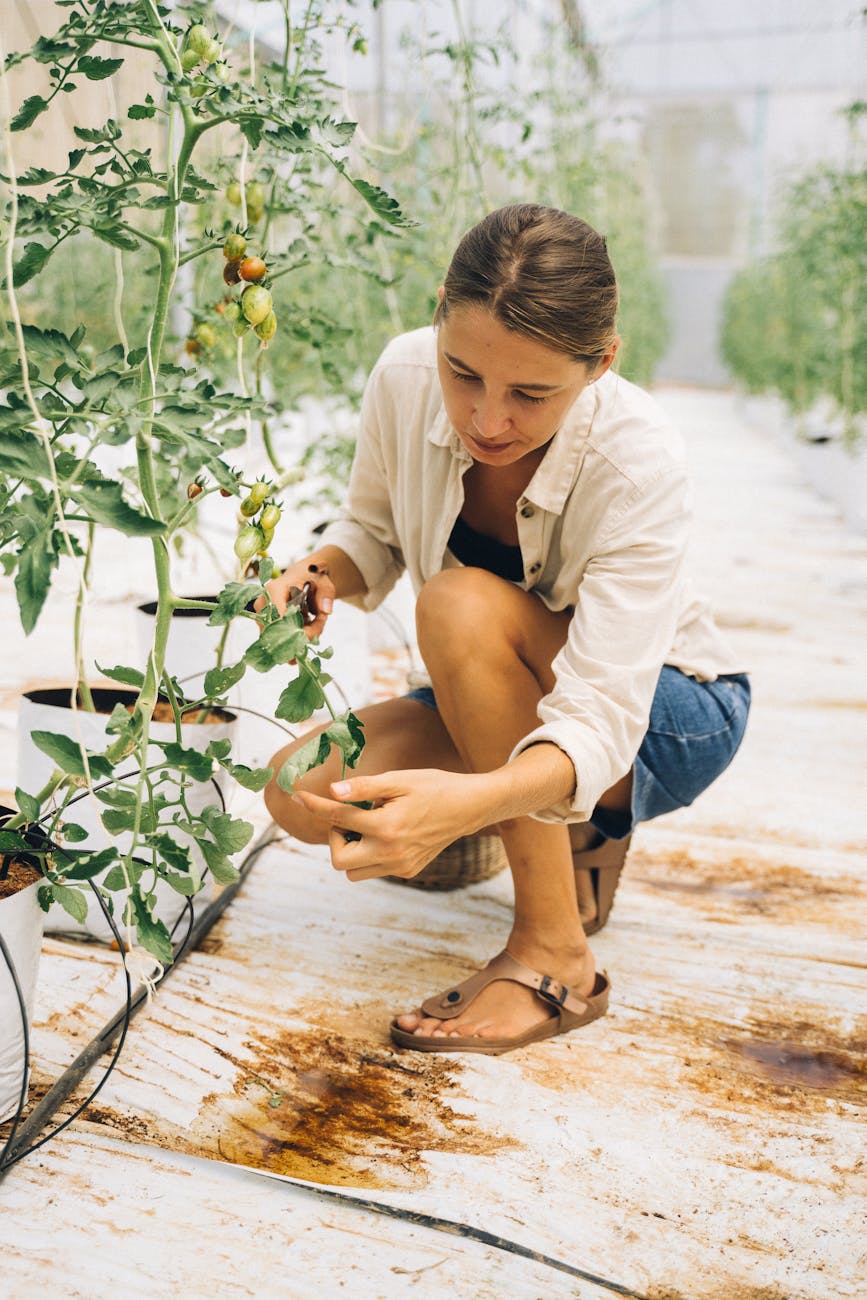
Feeding Fruit-Bearing Plants :
If you’re growing fruit-bearing plants indoors, such as citrus trees or dwarf varieties of fruit trees, they will require regular feeding to support fruit production. Use a specialized fertilizer formulated for fruit-bearing plants, with a balanced ratio of nutrients to promote healthy growth and fruit development. Feed fruit-bearing plants every four to six weeks during their active growing season, ensuring that they receive adequate sunlight and water to complement their feeding regimen.
By tailoring your feeding approach to the specific needs of different types of indoor plants, you can optimize their growth, health, and productivity, ensuring a thriving indoor garden all year round.
 Home and Garden