
When it comes to creating a thriving ecosystem within a glass enclosure, terrariums are a popular choice for nature lovers and gardening enthusiasts. There are two main types of terrariums: open and closed. Each type has its own unique features and benefits, making them suitable for different environments and plant species. In this blog post, we will explore the differences between open and closed terrariums, as well as their advantages and disadvantages.
Open Terrariums:
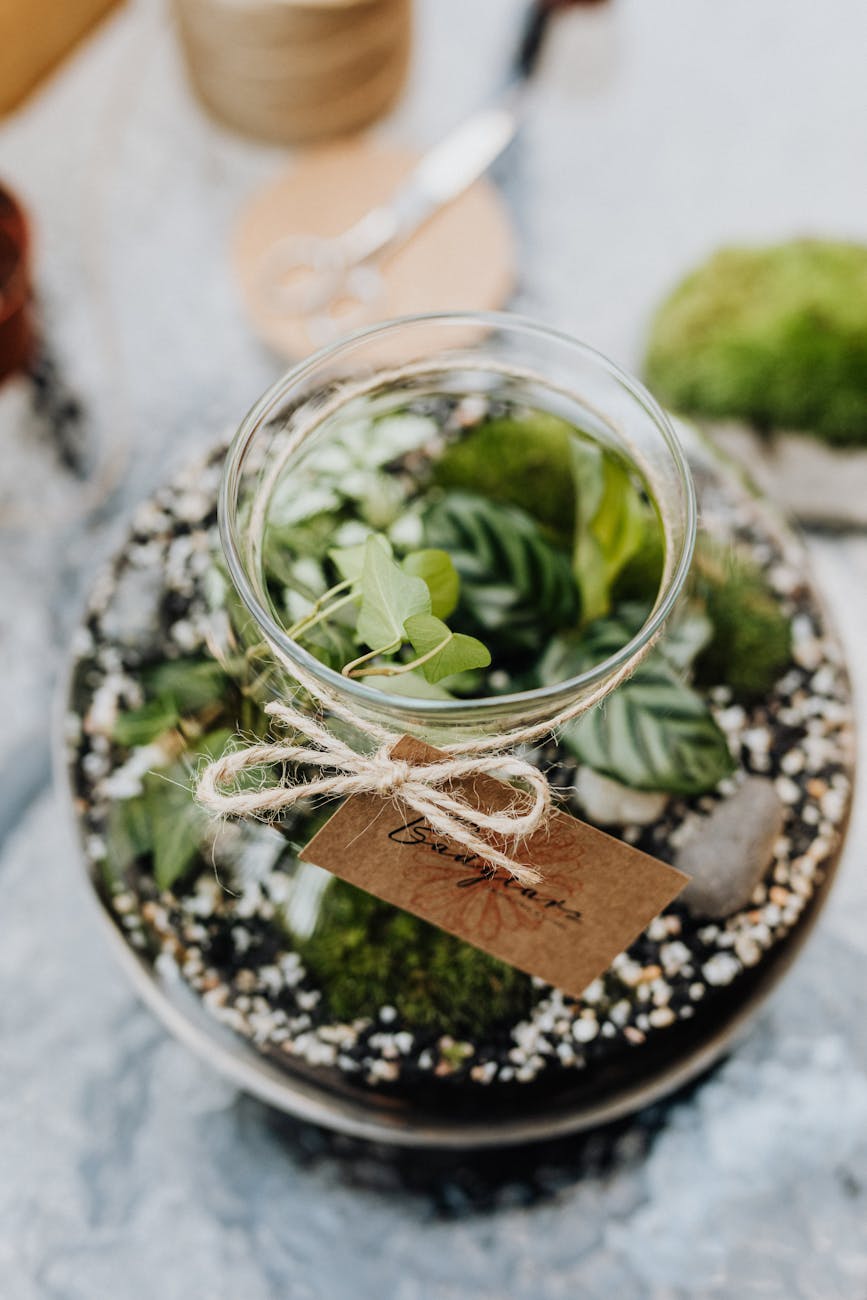
An open terrarium is a glass container that is partially or completely open to the surrounding air. This type of terrarium allows for better air circulation and humidity control, making it suitable for plants that prefer drier conditions. Open terrariums are also easier to maintain and less prone to mold and mildew growth, as the airflow helps to prevent excess moisture buildup.
One of the key advantages of open terrariums is that they are ideal for housing succulents, cacti, and other plants that thrive in arid environments. These plants require good drainage and plenty of airflow to prevent root rot and fungal diseases. Additionally, open terrariums are less likely to overheat, as the open design allows for better temperature regulation.
On the downside, open terrariums require more frequent watering and maintenance, as the soil tends to dry out faster than in closed terrariums. They are also less suitable for moisture-loving plants and may not provide enough humidity for certain tropical species. However, with the right plant selection and care routine, open terrariums can be a beautiful and low-maintenance addition to any indoor space.
Closed Terrariums:
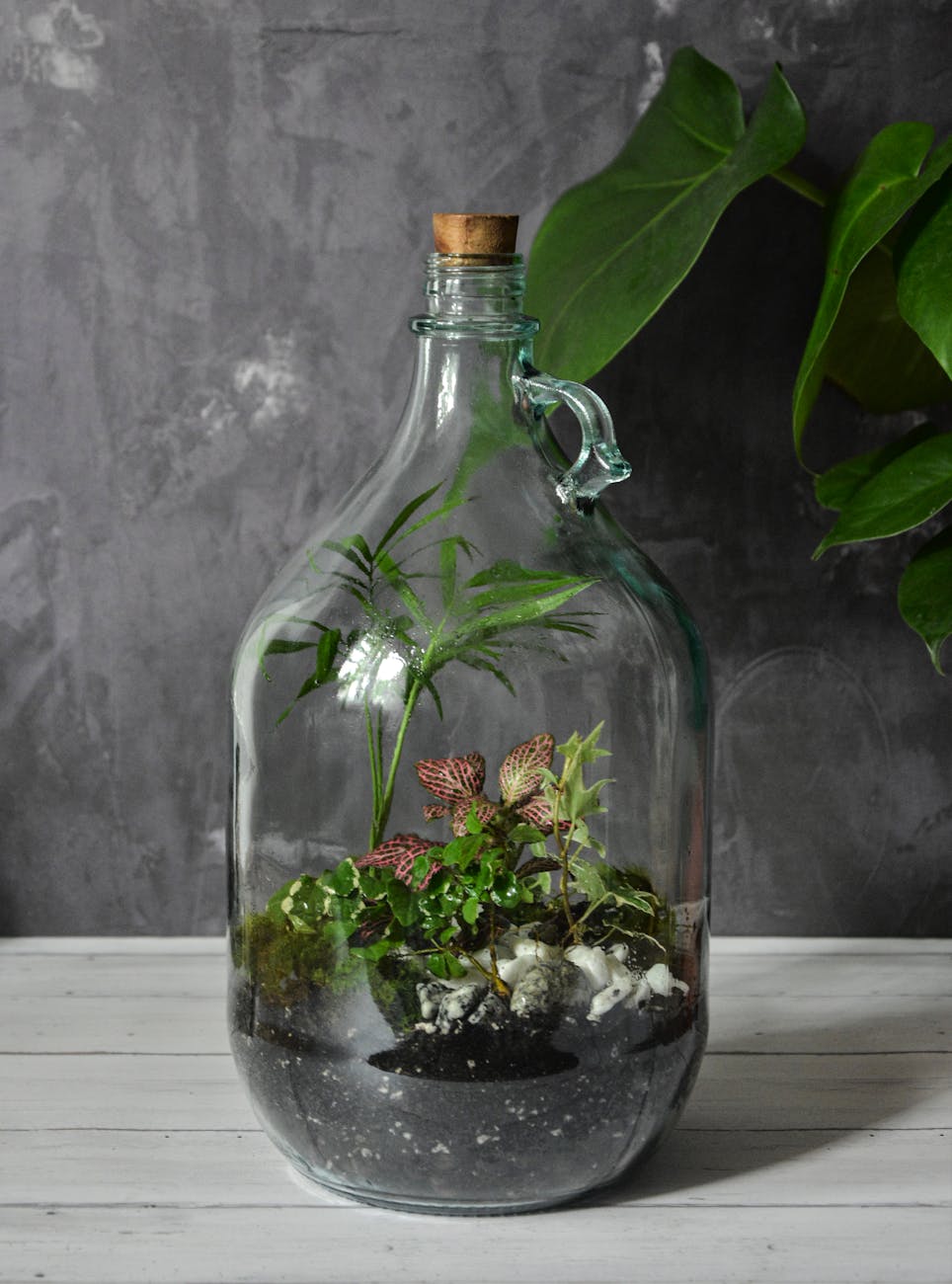
In contrast, a closed terrarium is fully sealed with a lid or cover, creating a self-contained ecosystem with high humidity levels. This type of terrarium is ideal for plants that thrive in tropical and humid environments, as it mimics the conditions found in rainforests and jungles. Closed terrariums require minimal watering, as the moisture is recycled within the enclosure through condensation and transpiration.
One of the main advantages of closed terrariums is their ability to support a wide range of plant species, including ferns, mosses, and air plants. These plants benefit from the high humidity levels and stable moisture content provided by the closed environment. Additionally, closed terrariums require less maintenance and can be left unattended for extended periods without drying out.
However, closed terrariums are more susceptible to mold and fungal growth, especially if the humidity levels are too high or the airflow is restricted. It is important to monitor the moisture levels and ventilation within a closed terrarium to prevent issues such as rot and mildew. Additionally, some plants may struggle in the high-humidity environment and require careful selection to thrive in a closed terrarium.
Conclusion:
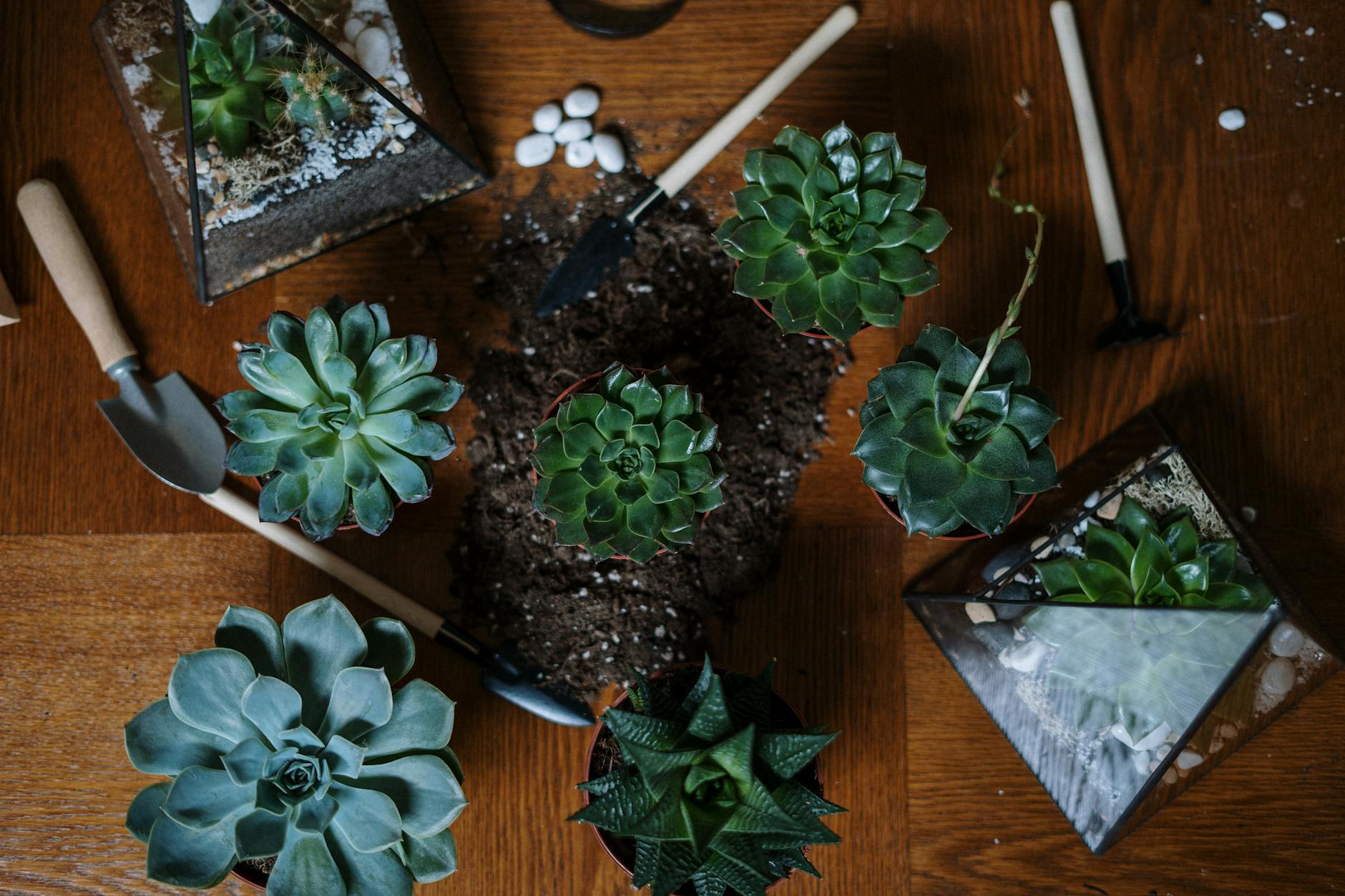
In summary, both open and closed terrariums offer unique advantages and considerations for creating a miniature indoor garden. The choice between the two types depends on the specific needs of the plants being housed and the desired level of maintenance. Open terrariums are well-suited for arid-loving plants and require more frequent care, while closed terrariums provide a self-sustaining environment for tropical species with minimal upkeep.
Whether you opt for an open or closed terrarium, these miniature ecosystems can bring a touch of nature into any living space and provide a rewarding gardening experience. With the right plant selection and care routine, a terrarium can thrive as a self-contained garden under glass. So, whether you prefer the dry desert vibes of an open terrarium or the lush greenery of a closed terrarium, there’s a miniature world waiting to be created within a glass enclosure.
 Home and Garden