
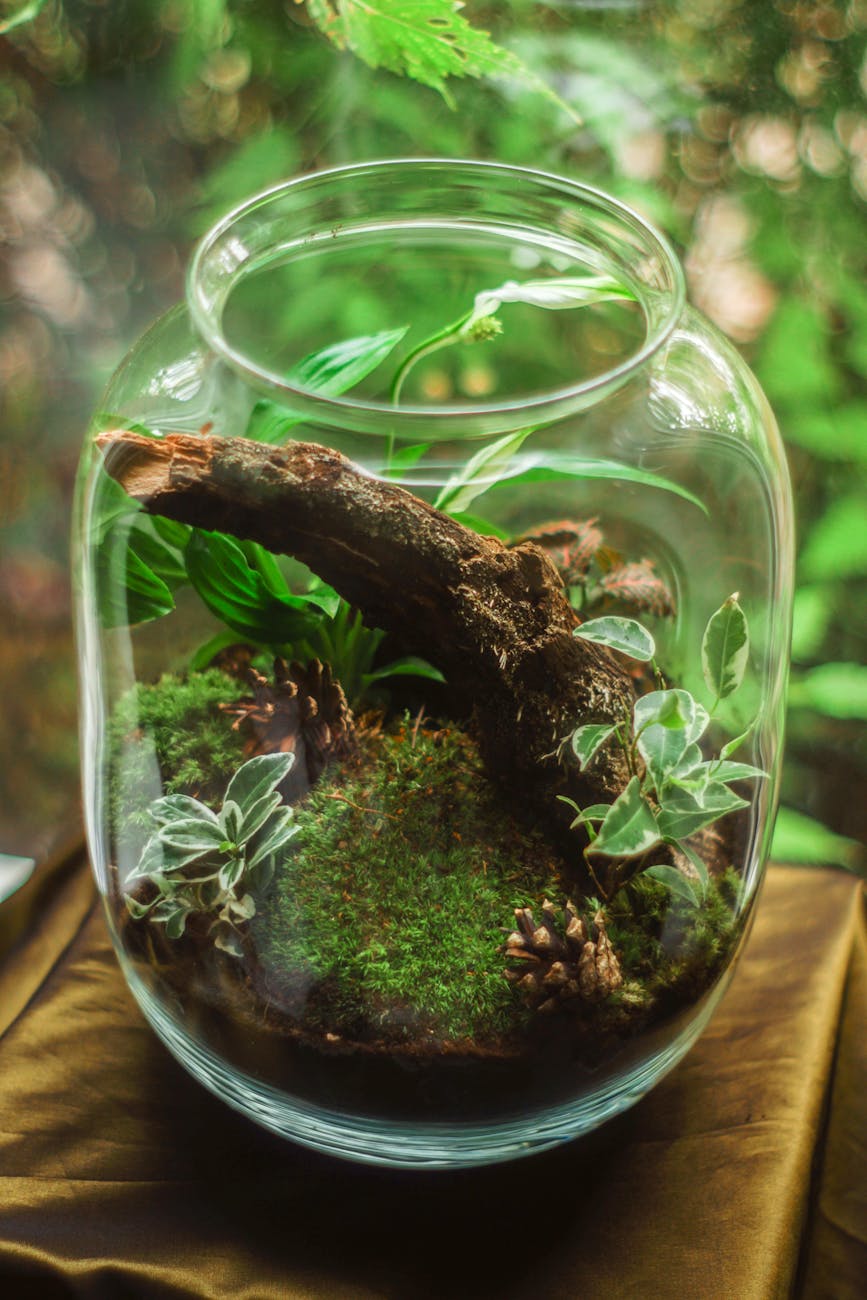
Have you ever heard of a terrarium? It’s a fascinating and beautiful way to bring a little piece of nature into your home. Terrariums are essentially miniature gardens enclosed in glass containers, and they have been growing in popularity in recent years as people look for ways to bring a touch of greenery into their indoor spaces.
The concept of the terrarium dates back to the 19th century when they were first created as a way to study plant life in a controlled environment. Today, terrariums are not only used for scientific purposes but also as decorative pieces in homes and offices.

Creating a terrarium is a fun and creative project that allows you to design your own little ecosystem. The basic components of a terrarium include soil, rocks or gravel for drainage, and of course, plants. You can choose from a variety of plants such as mosses, ferns, succulents, and air plants, depending on the type of environment you want to create.
One of the great things about terrariums is that they are relatively low-maintenance. Once you have set up your terrarium with the right amount of soil, rocks, and plants, it requires very little care. In fact, because terrariums are enclosed, they create their own mini-ecosystem where the moisture is recycled, and the plants essentially take care of themselves.
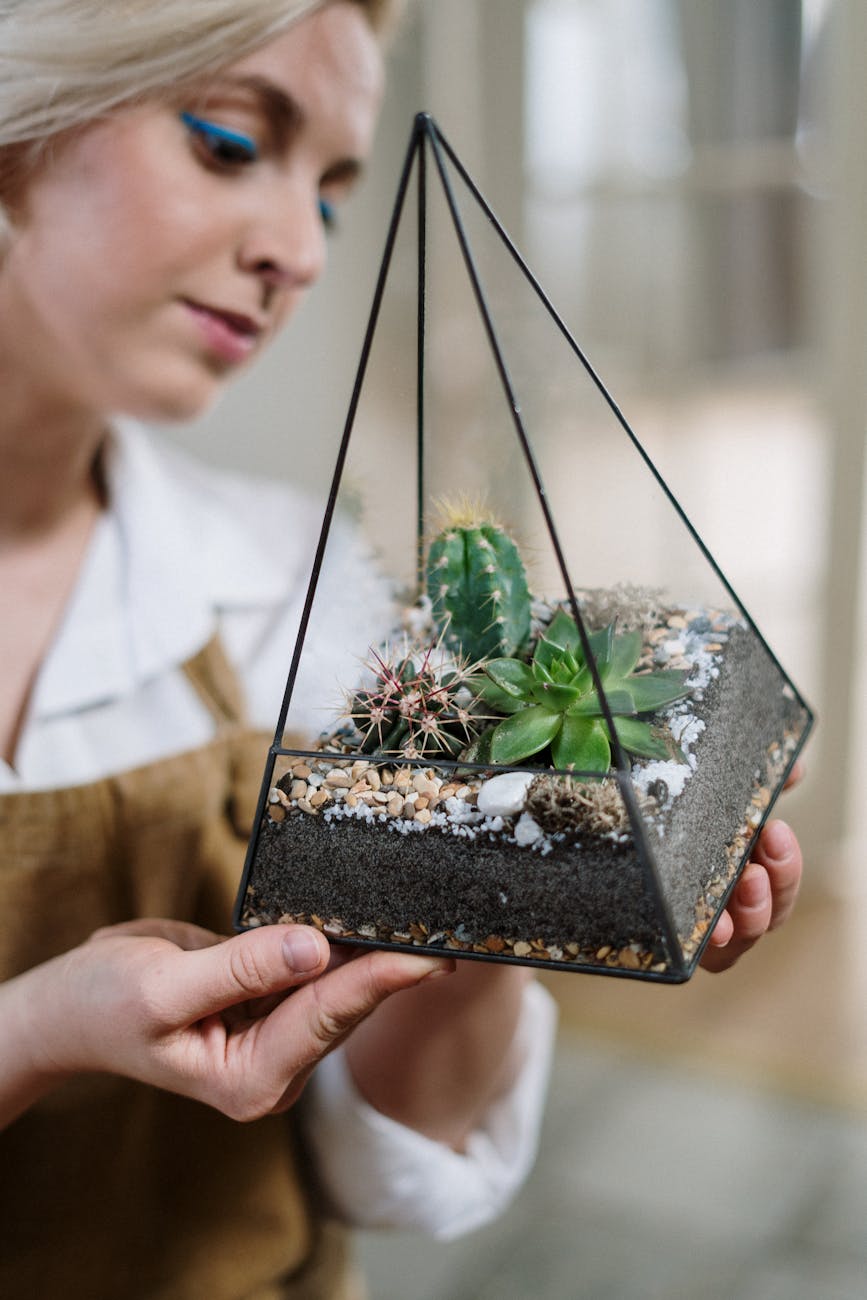
There are two main types of terrariums: open and closed. Open terrariums have an opening that allows for airflow, while closed terrariums are fully enclosed. Each type has its own advantages and considerations. Open terrariums are better suited for plants that require more airflow and less humidity, while closed terrariums are ideal for tropical plants that thrive in high humidity environments.
When it comes to choosing a container for your terrarium, the options are endless. You can use anything from glass jars and fishbowls to vintage apothecary jars and even lightbulbs! The key is to find a container that is clear and allows light to enter so that your plants can photosynthesize.
Once you have your container and plants selected, it’s time to get creative with the design of your terrarium. You can add decorative elements such as small figurines, stones, or driftwood to create a unique and personalized look. The possibilities are endless, and you can let your imagination run wild.
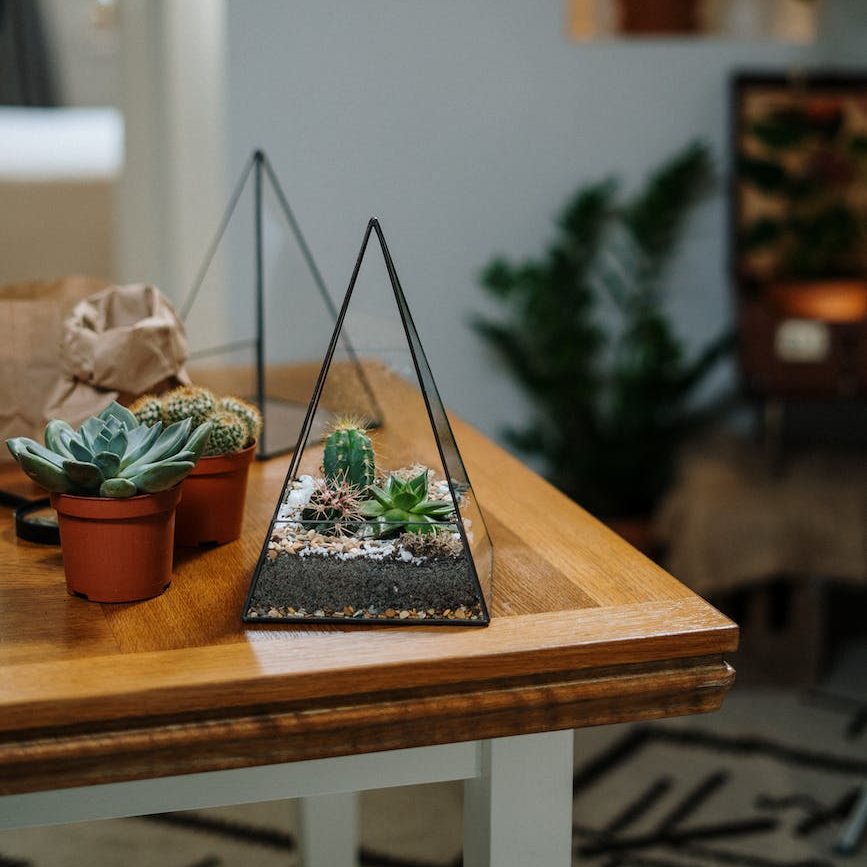
In addition to being a beautiful addition to your home decor, terrariums also have several benefits. They can help improve indoor air quality by filtering out toxins and adding oxygen to the air. They also have a calming and relaxing effect, making them perfect for creating a peaceful atmosphere in any room.
If you’re interested in creating your own terrarium but don’t know where to start, there are plenty of resources available to help you get started. There are countless tutorials and guides online that can walk you through the process step by step, making it easy for beginners to get involved in this rewarding hobby.
In conclusion, terrariums are a wonderful way to bring a little piece of nature into your home. They are not only beautiful to look at but also have numerous benefits for both your physical and mental well-being. Whether you’re looking for a new hobby or simply want to add a touch of greenery to your indoor space, creating a terrarium is a fun and rewarding project that anyone can enjoy. So why not give it a try and bring the outdoors indoors with your very own terrarium?
 Home and Garden