
Indoor plants are varieties of plants that are specifically cultivated to thrive and grow indoors, typically within the confines of a home or office environment. These plants are adapted to the conditions found indoors, including lower light levels, controlled temperatures, and limited space. Indoor plants are chosen for their aesthetic appeal, air-purifying properties, and ability to enhance the ambiance of indoor spaces. They come in a wide range of shapes, sizes, colors, and textures, making them suitable for various interior design styles and preferences. Common examples of indoor plants include peace lilies, snake plants, pothos, spider plants, succulents, and ferns.

Benefits of Indoor Plants
Indoor plants are not only decorative but also offer numerous benefits to indoor environments. They can improve air quality by filtering out pollutants and releasing oxygen, creating a healthier indoor atmosphere. Additionally, indoor plants can help reduce stress, boost mood, and increase productivity, making them valuable additions to homes, offices, and other indoor spaces.

Considerations for Selecting Indoor Plants
When selecting indoor plants, it’s essential to consider factors such as lighting conditions, humidity levels, and space constraints to ensure that they thrive in their environment. Some indoor plants are better suited for low-light conditions, while others require bright, indirect sunlight. Similarly, some plants prefer higher humidity levels, making them ideal for bathrooms or kitchens, while others thrive in drier environments.
Caring for indoor plants involves regular watering, pruning, and monitoring for pests or diseases. By providing proper care and attention, indoor plants can continue to grow and flourish, bringing beauty, tranquility, and a touch of nature into indoor spaces.
In addition to their aesthetic and health benefits, indoor plants also offer a sense of connection to nature, especially in urban environments where green spaces may be limited. Bringing the outdoors inside can have a calming effect on occupants, promoting relaxation and well-being.
Furthermore, indoor plants can serve practical purposes such as reducing noise levels and increasing humidity, contributing to a more comfortable and enjoyable indoor environment. Some plants are even known for their ability to repel insects or deter pests, adding another layer of functionality to their appeal.
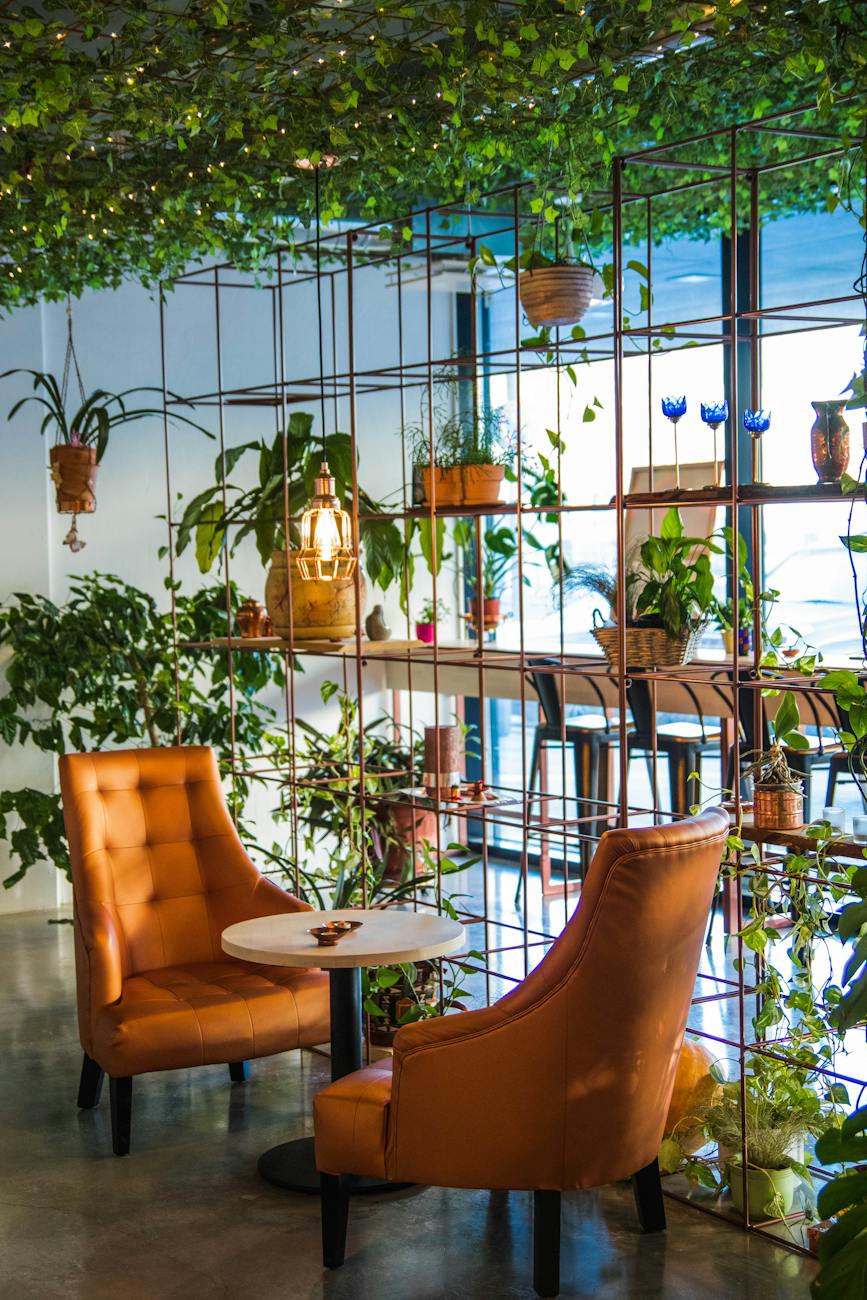
Enhancing Interior Decor with Biophilic Design and Sustainable Living
With the growing interest in biophilic design and sustainable living, indoor plants have become an integral element of interior decor, with countless varieties to choose from to suit any style or preference. From sleek and modern to lush and tropical, there’s an indoor plant to complement every aesthetic and enhance any space.
Whether you’re a seasoned plant enthusiast or a novice green thumb, incorporating indoor plants into your home or office can transform the atmosphere and elevate your indoor living experience. With proper care and attention, these green companions will continue to thrive and bring joy for years to come.
Indoor plants have also gained popularity as sustainable decor options, contributing to efforts to create more eco-friendly living spaces. Unlike artificial plants or other decorative items that may have negative environmental impacts, indoor plants are natural, renewable resources that can be grown and cared for in a sustainable manner.
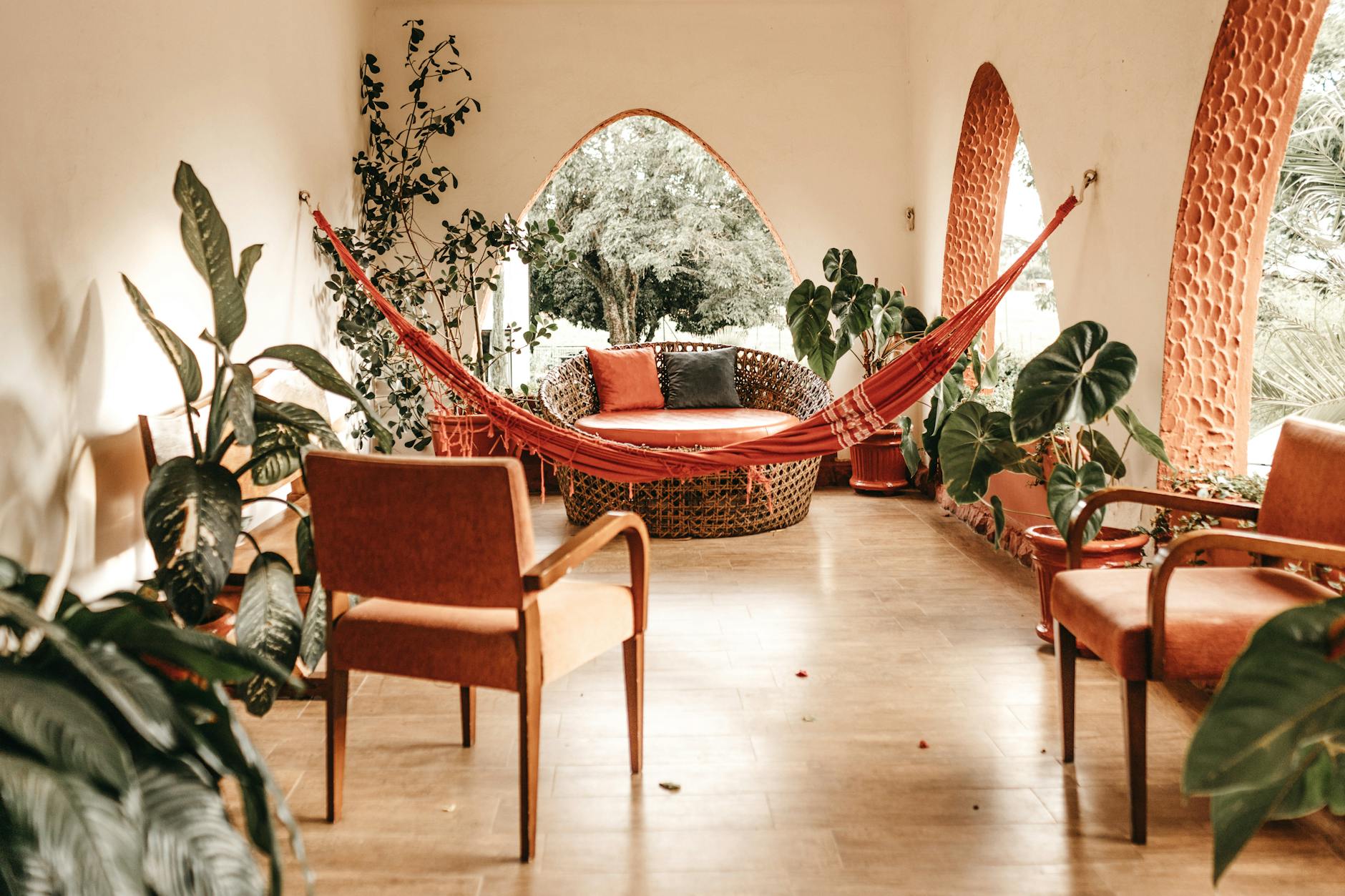
Embracing the Green Revolution
Moreover, the act of caring for indoor plants fosters a deeper connection to nature and encourages mindfulness and responsibility. It provides an opportunity to slow down, observe growth and changes, and appreciate the beauty and resilience of the natural world.
In summary, indoor plants are versatile, beneficial additions to indoor spaces, offering aesthetic appeal, health benefits, practical advantages, and sustainable design options. Whether you’re looking to improve air quality, enhance your decor, or simply bring a touch of nature indoors, incorporating indoor plants into your home or office can have a positive impact on your environment and well-being.
In conclusion, indoor plants have become integral components of modern living spaces, offering a multitude of benefits ranging from improving air quality and enhancing mood to adding aesthetic charm and promoting sustainability. As our urban environments continue to expand, indoor plants provide a connection to nature, contributing to healthier, more harmonious indoor environments.
Whether you’re a seasoned plant enthusiast or new to the world of indoor gardening, there’s a vast array of plant species to explore, each with its unique characteristics and care requirements. By incorporating indoor plants into your home or office, you can create inviting, vibrant spaces that promote well-being and creativity while reducing your environmental footprint.
So, why wait? Embrace the green revolution and bring the beauty of nature indoors with indoor plants. With a little care and attention, these green companions will not only transform your living or working space but also enrich your life in ways you never imagined.
 Home and Garden