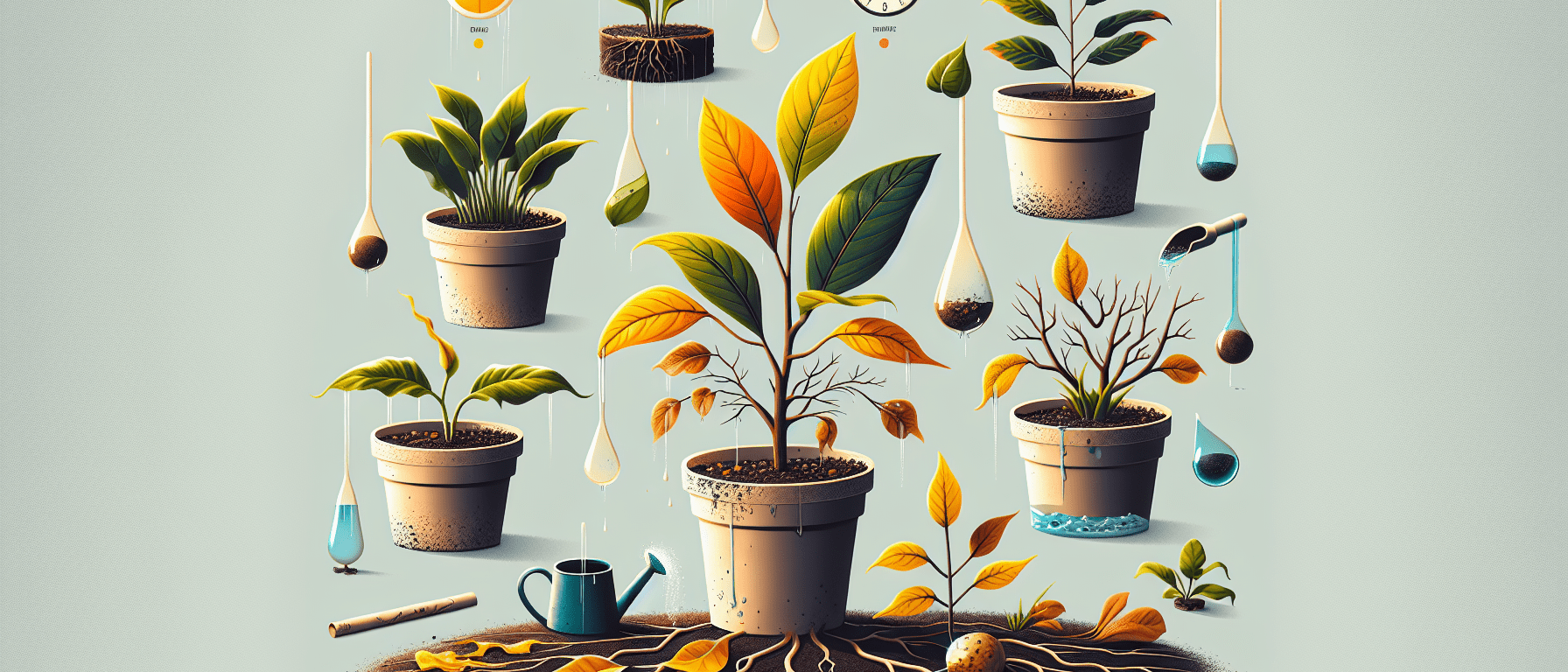
Despite your best efforts, you may encounter occasional watering issues with your indoor plants. Here are some common problems and their solutions:

Underwatering
Signs: Wilting leaves, dry soil, and drooping stems are indicators of underwatering. The soil may also pull away from the edges of the pot.
Solution: Water the plant thoroughly until water drains out of the bottom of the pot. Ensure that you water deeply enough to saturate the entire root ball. Adjust your watering schedule to provide more frequent waterings if necessary.
Overwatering
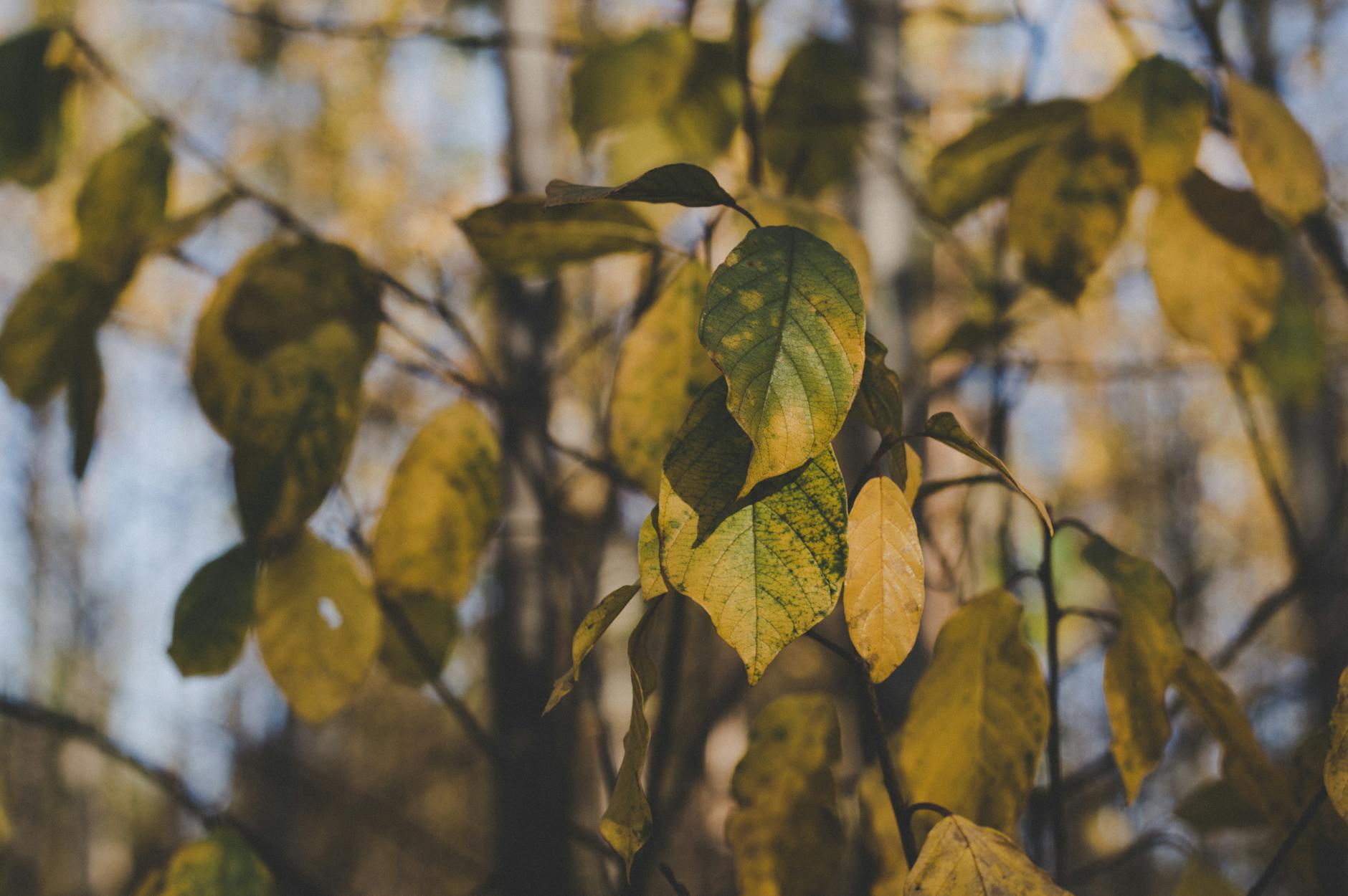
Signs: Yellowing leaves, soggy soil, and a foul odor emanating from the soil are signs of overwatering. The plant may also exhibit root rot, with mushy, blackened roots.
Solution: Allow the soil to dry out between waterings to prevent further waterlogging. Consider repotting the plant in fresh, well-draining soil and trimming away any rotted roots. Adjust your watering schedule to avoid excessive moisture buildup in the future.
Water Quality Issues
Signs: Browning leaf tips, leaf discoloration, or stunted growth may indicate water quality issues such as high levels of chlorine, fluoride, or salts in the water.
Solution: Use filtered or distilled water to irrigate your plants, especially if your tap water contains high levels of chemicals or minerals. Allow tap water to sit out overnight before using it to allow chlorine to dissipate. Consider periodically flushing the soil with distilled water to remove excess salts and minerals.
Incorrect Watering Technique
Signs: Water pooling on the soil surface, uneven moisture distribution, or excessive runoff from the pot are signs of incorrect watering technique.
Solution: Ensure that you water the soil directly at the base of the plant, avoiding wetting the foliage whenever possible. Water slowly and evenly, allowing the soil to absorb the moisture gradually. Adjust your watering technique as needed to ensure thorough hydration without water wastage.
Environmental Factors
Signs: Changes in environmental conditions such as temperature fluctuations, drafts, or seasonal variations may affect your plant’s water needs.
Solution: Monitor your plant’s response to environmental changes and adjust your watering schedule accordingly. Provide additional humidity or protection from drafts as needed to maintain optimal growing conditions.
By troubleshooting common watering issues and implementing appropriate solutions, you can ensure that your indoor plants receive the proper hydration they need to thrive.
Conclusion
Watering indoor plants is both an art and a science, requiring careful attention to detail and a deep understanding of your plant’s specific needs. By establishing a consistent watering schedule, using proper watering techniques, monitoring soil moisture levels, and troubleshooting common watering issues, you can ensure that your indoor plants receive the hydration they need to thrive and flourish in your home environment.
Remember to approach watering with patience and mindfulness, adjusting your watering routine as needed based on seasonal changes, environmental factors, and the individual requirements of each plant. With proper watering practices in place, your indoor plants will continue to bring beauty, freshness, and vitality to your living space for years to come.
 Home and Garden