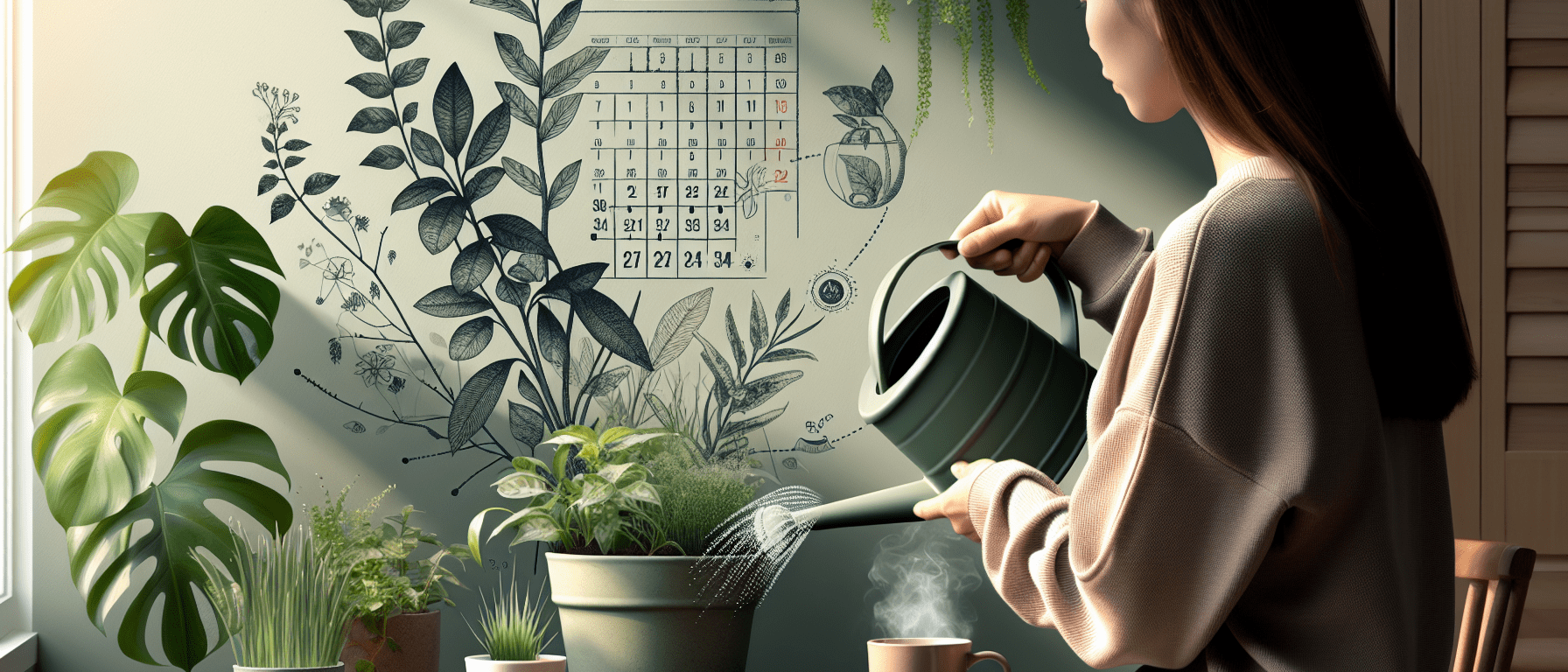
In addition to regular watering practices, it’s essential to adjust your watering routine based on seasonal changes and the specific environment of your indoor plants:
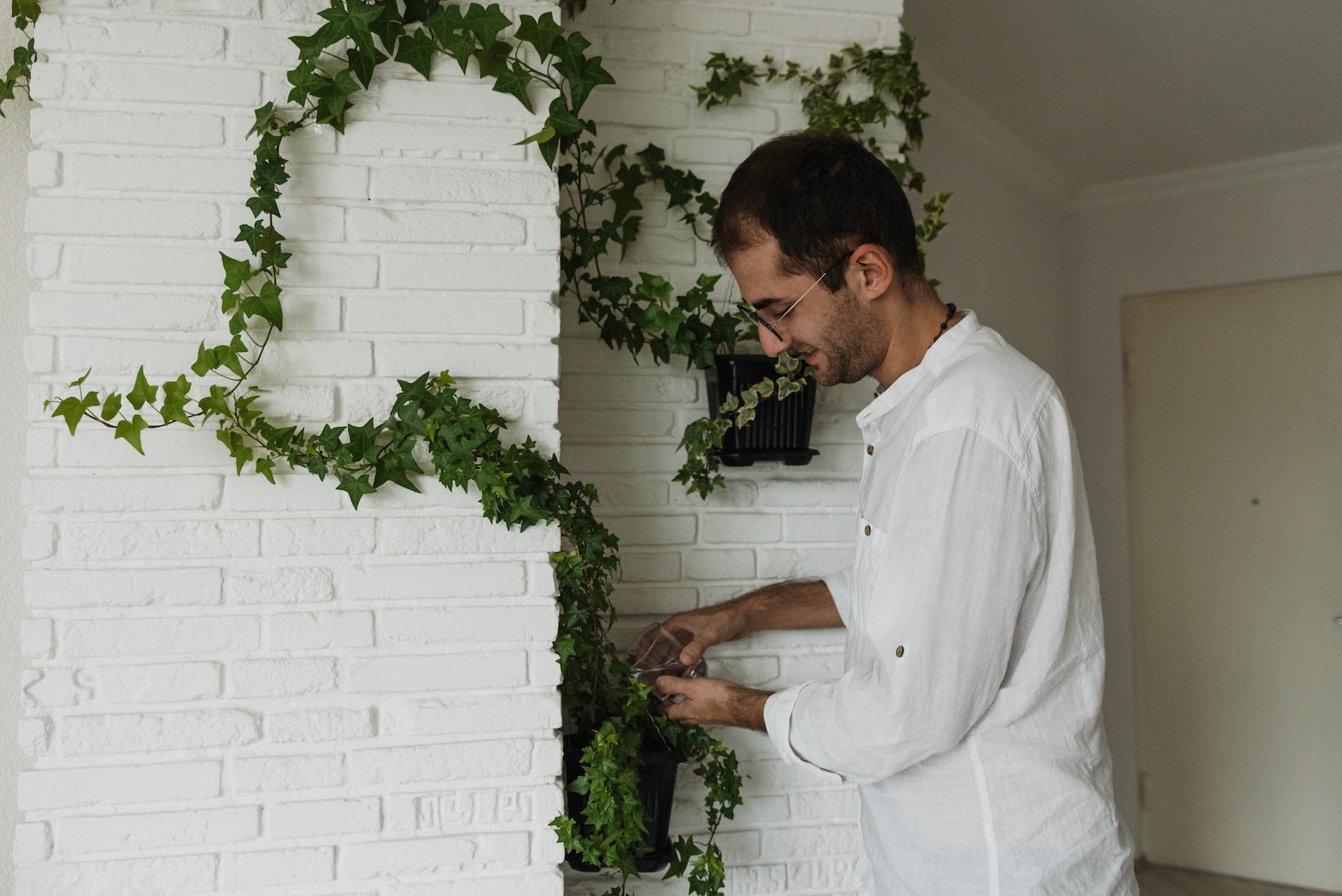
Seasonal Considerations
During the warmer months of spring and summer, indoor plants typically experience faster growth rates and increased water consumption due to higher temperatures and longer daylight hours. As a result, you may need to water your plants more frequently during these seasons.
In contrast, the cooler months of fall and winter often result in reduced growth rates and lower water requirements for indoor plants. Be mindful of the decreased evaporation rates and adjust your watering frequency accordingly to prevent overwatering during these seasons.
Environmental Factors
Environmental factors such as humidity levels, air circulation, and temperature fluctuations can also impact the watering needs of indoor plants. For example, plants located near drafty windows or heating vents may experience faster moisture evaporation and require more frequent watering.
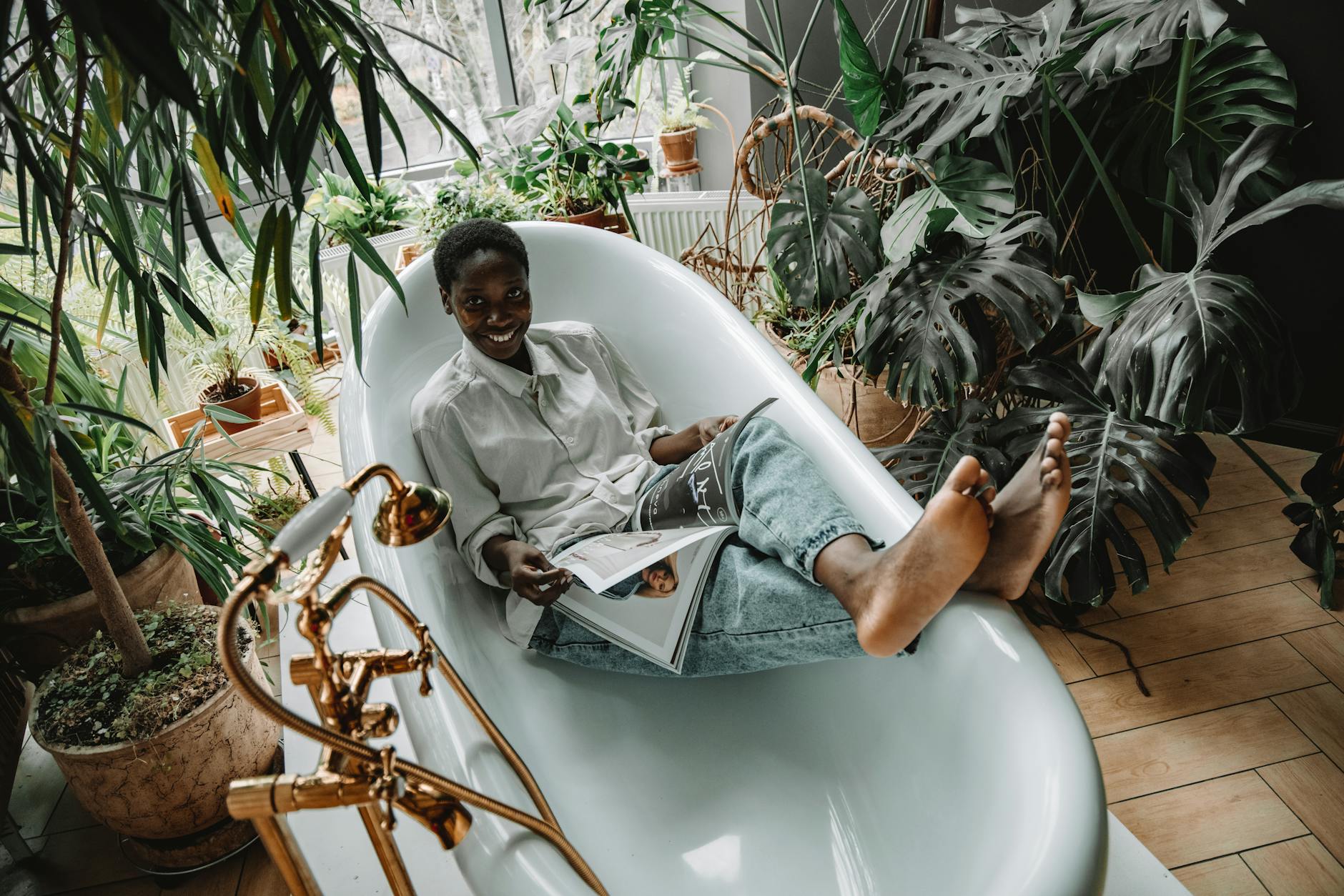
Similarly, plants in rooms with higher humidity levels, such as bathrooms or kitchens, may need less frequent watering compared to those in drier environments. Monitor the specific conditions of your indoor space and adjust your watering schedule accordingly to ensure optimal plant health.
Signs of Watering Needs
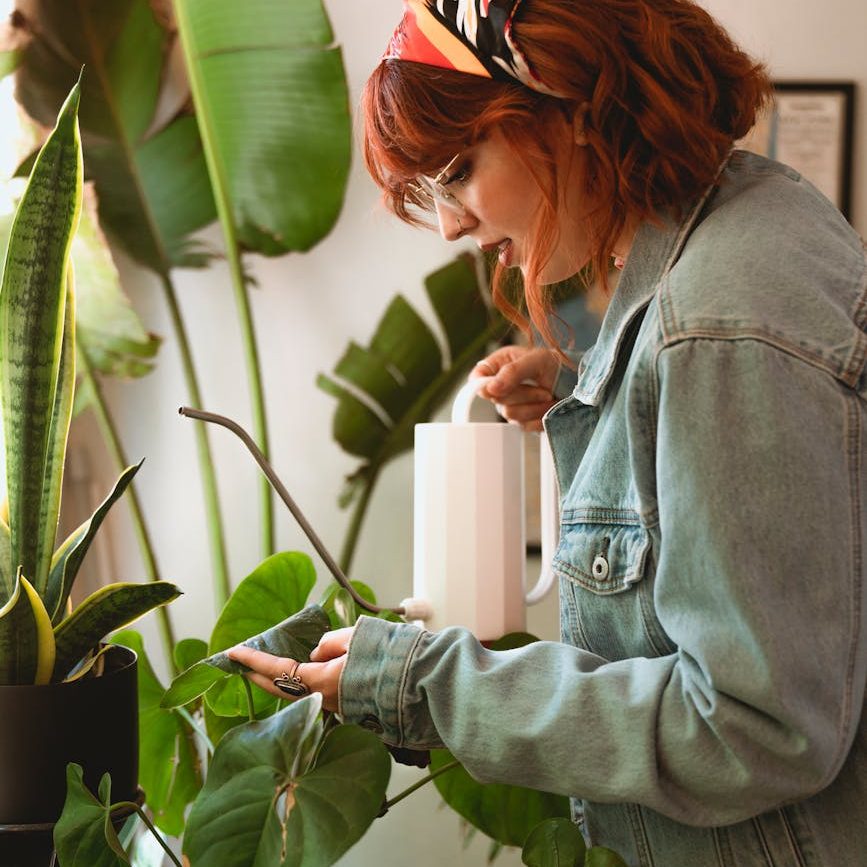
Pay attention to the signals your indoor plants give you regarding their watering needs. Signs of underwatering include wilting leaves, dry soil, and drooping stems, while overwatering may manifest as yellowing leaves, soggy soil, or root rot.
By closely observing your plants and responding to their watering needs accordingly, you can maintain a healthy balance of moisture and prevent water-related issues from occurring.
Conclusion
Watering indoor plants is a fundamental aspect of their care that directly impacts their health and vitality. By following best practices such as checking soil moisture, adjusting watering frequency based on seasonal and environmental factors, and paying attention to signs of watering needs, you can ensure that your indoor plants thrive and flourish in your home environment.
Remember to approach watering with care and attentiveness, striking a balance between providing adequate moisture and avoiding waterlogged conditions. With proper watering techniques, your indoor plants will continue to bring beauty, freshness, and joy to your living space year-round.
 Home and Garden