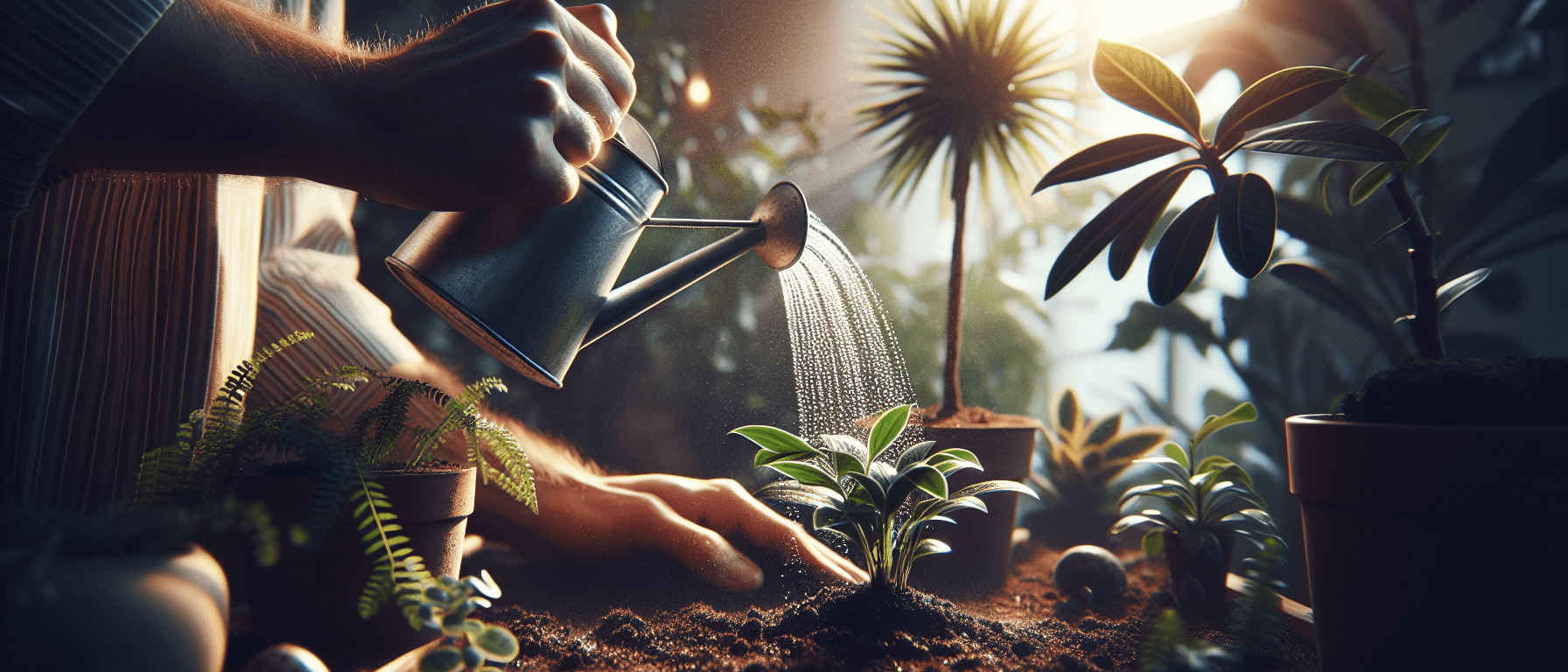
Watering indoor plants is a crucial aspect of their care to ensure they remain healthy and vibrant. Here are some tips for watering indoor plants effectively:
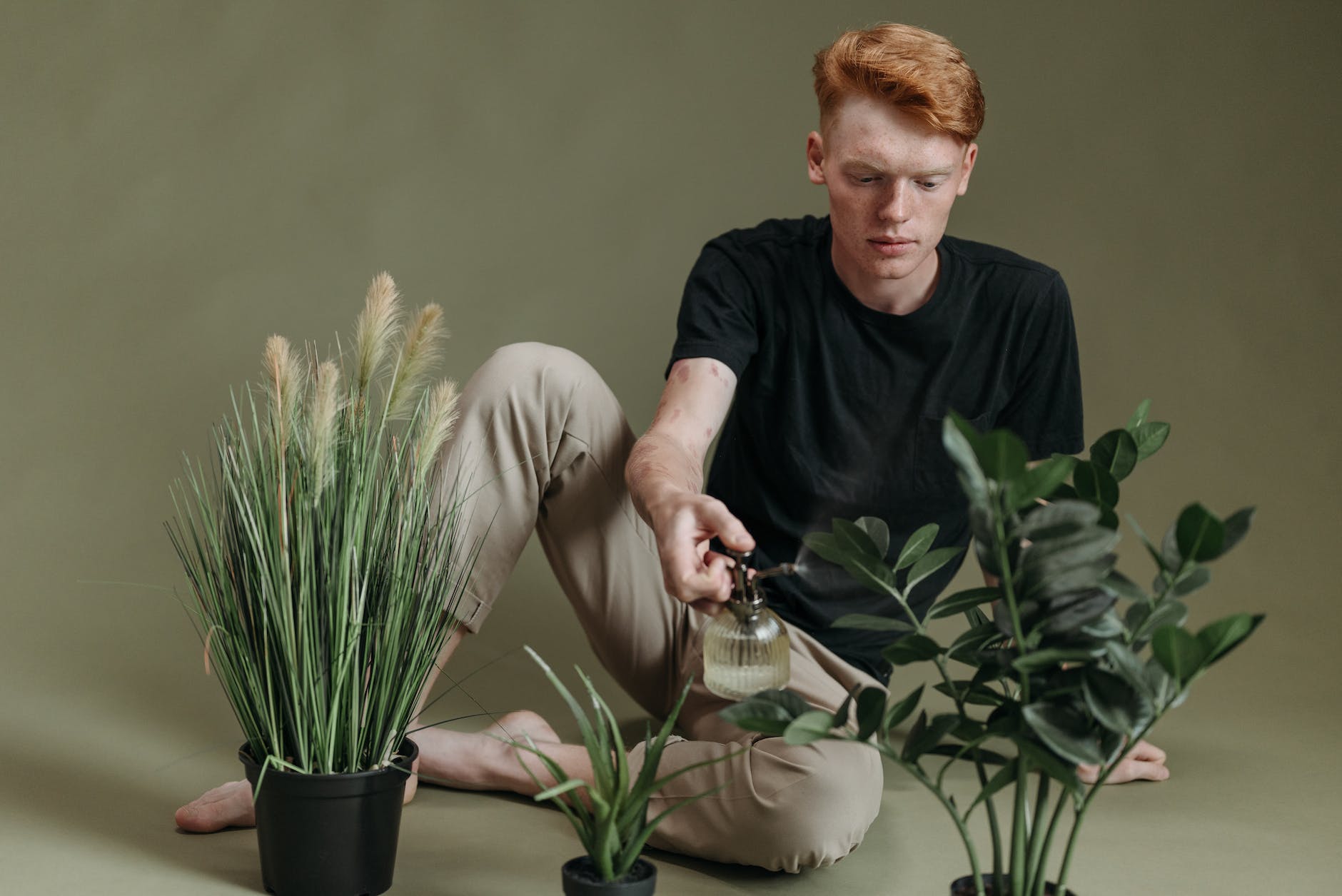
1. Check the Soil Moisture: Before watering, always check the moisture level of the soil. Stick your finger about an inch into the soil; if it feels dry to the touch, it’s time to water. If the soil still feels moist, hold off on watering for a few more days.
2. Watering Frequency: The frequency of watering depends on factors such as the type of plant, environmental conditions, and the size of the pot. Generally, most indoor plants benefit from being watered once the top inch of soil has dried out.
3. Watering Method: When watering indoor plants, aim to water the soil directly at the base of the plant rather than overhead. This helps prevent water from accumulating on the leaves, which can lead to fungal diseases. Pour water slowly and evenly until it begins to drain out of the bottom of the pot.
4. Use Room Temperature Water: Avoid using extremely cold or hot water when watering indoor plants, as it can shock the roots. Instead, use room temperature water to ensure a gentle and consistent watering experience for your plants.
5. Drainage: Ensure that your pots have adequate drainage holes to allow excess water to escape. Standing water at the bottom of pots can lead to root rot and other moisture-related issues. If your pots don’t have drainage holes, consider using a layer of gravel or perlite at the bottom to improve drainage.
6. Avoid Overwatering: Overwatering is one of the most common mistakes made when caring for indoor plants. It’s essential to strike a balance between providing enough moisture for your plants to thrive without drowning them. Always err on the side of underwatering rather than overwatering, as most indoor plants are more tolerant of dry conditions than soggy soil.
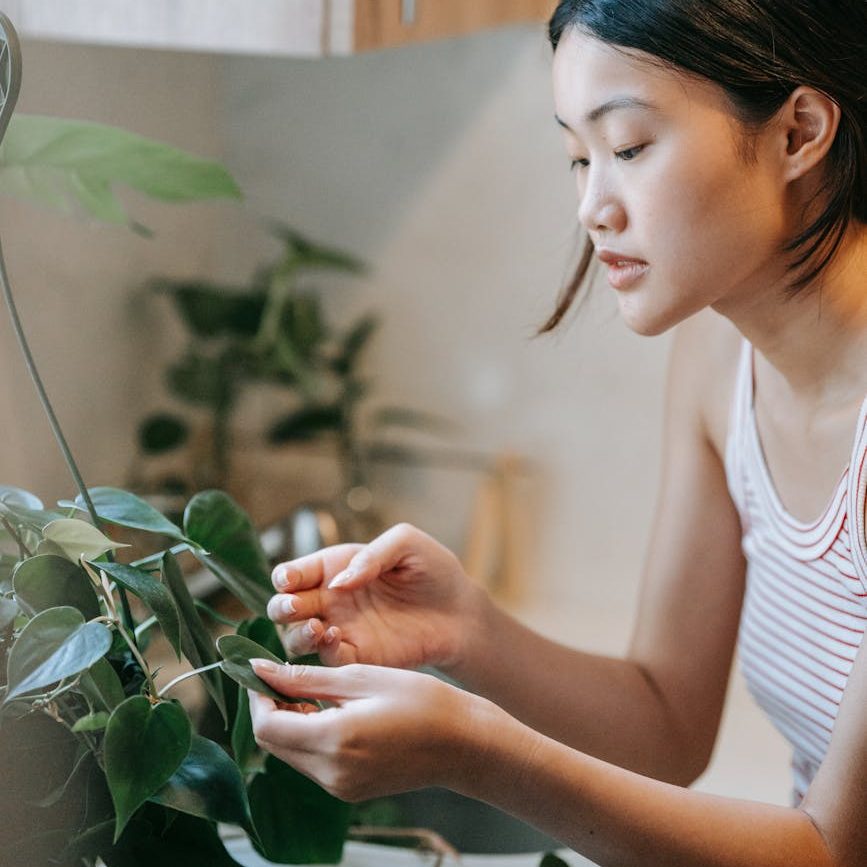
7. Monitor Plant Response: Pay attention to how your plants respond to watering. Wilting or yellowing leaves can indicate both underwatering and overwatering, so it’s essential to assess the soil moisture and adjust your watering routine accordingly.
By following these watering guidelines and paying close attention to the specific needs of your indoor plants, you can help them thrive and flourish in your home environment.
 Home and Garden